When an Implant Ad Promises Forever: Reading US Marketing Through a Japanese Clinic's Restraint

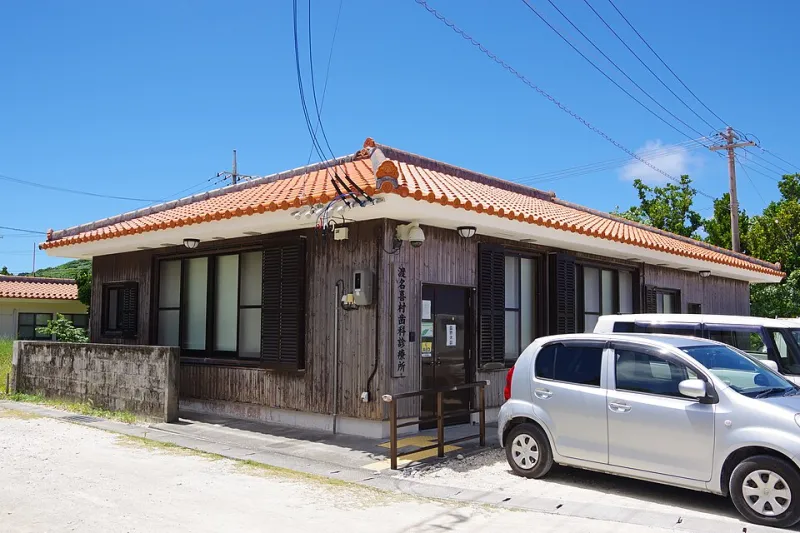
Photo: Etoms.com, CC BY-SA 4.0, via Wikimedia Commons
Dental implant advertising in the United States is competitive. Practices need to stand out, and phrases such as 'permanent teeth,' 'guaranteed for life,' and 'same-day everything' are common. Japanese implant clinics, by contrast, often use more restrained language. They are more likely to describe implants as a long-term option that depends on bone quality, hygiene, smoking status, bite forces, and regular maintenance.
That restraint is not pessimism. It is a different way of setting expectations. This list examines common US marketing claims against the kind of conditional language many Japanese clinics favor, and it offers questions patients can ask before committing to treatment.
Why the Words Matter
An implant is a medical device, not a natural tooth. The titanium fixture may integrate well, but the crown can chip, the gum can recede, and peri-implant disease can develop. Success depends partly on the clinic and partly on the patient's daily care and risk factors. Absolute promises can therefore create a false sense of security.
Japanese clinics often emphasize informed consent and long-term maintenance. That does not mean every Japanese practice is cautious or every US practice is reckless. It means patients should listen for whether an advertisement acknowledges variables at all.
Claim 1: 'Permanent Teeth'
The word permanent is doing a lot of work in many ads. Implants are designed to be long-lasting, and many survive for decades. But they are not indestructible. Crowns wear. Screws can loosen. Bone levels can change. A patient with untreated bruxism or poor hygiene may face complications that a marketing slogan does not mention.
A more accurate framing is that implants are a long-term restorative option with a maintenance requirement. Japanese clinics often describe expected service life in ranges and discuss replacement or repair possibilities. That language is less dramatic, but it is more useful.
Questions to ask: What is the expected service life of the implant and the crown separately? What maintenance appointments are required? What happens if the crown breaks? Are replacement costs included or separate?
Claim 2: 'Guaranteed for Life'
A lifetime guarantee sounds reassuring until the patient asks what it covers. Does it cover the titanium fixture only, or also the abutment, crown, bone graft, and laboratory fees? Does it remain valid if the patient misses maintenance visits, smokes, grinds their teeth, or moves to another city? Who honors the guarantee if the dentist retires or sells the practice?
Many Japanese clinics avoid lifetime guarantees because too many outcomes depend on patient factors. Instead, they may offer a defined warranty period with written conditions. That is a more honest structure. A guarantee without exclusions and a named responsible party is a marketing phrase, not a financial protection.
Questions to ask: Can I see the guarantee in writing before surgery? What exactly is covered? What voids it? Who performs the replacement? Are lab fees or surgery fees excluded?
Claim 3: 'Same-Day Everything'
Same-day implant treatment is real in selected cases. Immediate loading can work when bone quality, implant stability, bite forces, and aesthetic demands are favorable. But it is not appropriate for every patient. The phrase 'same-day teeth' can blur the difference between a temporary provisional restoration and a final crown.
Japanese clinics may present immediate provisional restoration as a possibility for selected cases, with clear criteria. That wording is less exciting but more precise. Patients should know whether they are receiving a temporary tooth, a final restoration, or a treatment plan that will be revised after healing.
Questions to ask: Am I a candidate for immediate loading, and what makes me one or not? Is the same-day tooth temporary or final? How many implants are involved? What is the failure risk, and what would revision cost?
Claim 4: 'Painless' or 'No Downtime'
Local anesthesia can make implant placement comfortable during the procedure. It does not guarantee a painless recovery. Swelling, tenderness, and restrictions on eating and exercise are common. Most patients recover well, but the first few days require attention.
A Japanese-style consultation is likely to describe expected discomfort, medication timing, and activity limits in specific terms. That is more helpful than a slogan promising no downtime. Patients should plan for at least some disruption, especially after grafting or multiple implants.
Questions to ask: What pain level should I expect on days one through three? What medication plan will I receive? When can I return to work, exercise, and normal eating? What symptoms would be unusual?
Claim 5: 'All-Inclusive' or a Very Low Price
A low advertised price can be legitimate, but it often refers to a Narrow part of the treatment. The quote may exclude the CT scan, sedation, extraction, bone graft, abutment, crown, laboratory fee, follow-up visits, or retreatment. Japanese clinics frequently provide itemized estimates for this reason. The total is easier to compare when each component is visible.
US patients should ask for a written estimate that separates diagnosis, surgery, hardware, restoration, and aftercare. The lowest headline number is not the lowest total cost if essential items appear later.
Questions to ask: What is included in this price? What is excluded? How much would grafting or sedation add? Are follow-up visits and emergency care included? Is there a separate fee for the final crown?
Questions to Ask Instead of Trusting the Slogan
- What are the realistic risks and complications for someone with my medical history?
- What maintenance schedule will I need, and what does it cost annually?
- What percentage of your implant patients require retreatment, and over what period?
- How do you define success, and how do you monitor it?
- What would make you advise against an implant for me?
- Can I have the treatment plan, estimate, and warranty terms in writing?
- Who handles emergencies or follow-up if I move or travel?
- Are you comparing my case to a typical patient or to a best-case patient?
How to Spot an Overpromising Ad
Absolute language is the first clue. Words such as always, never, guaranteed, permanent, and painless should prompt questions rather than confidence. Urgency is another clue: limited-time pricing can be legitimate, but pressure to decide before a proper examination is not. Before-and-after photos without context can also mislead, because lighting, angles, and patient selection change the result.
A restrained ad is not automatically better. A cautious ad can still belong to an excellent clinic, and a bold ad can still belong to a skilled clinician. The useful question is whether the marketing leaves room for individual diagnosis, informed consent, and long-term care.
The Restraint Is the Point
Japanese clinics do not have a monopoly on honesty, and US clinics do not have a monopoly on hype. But the contrast is instructive. When a clinic avoids absolutes, it is often signaling that the patient's biology and behavior matter. That is not a weakness in the marketing. It is a more accurate description of implant dentistry.
Patients should look for a practice that can be enthusiastic about the outcome without promising a result it cannot control. The best ad is not the one with the strongest claim. It is the one that survives a detailed question.
This article is educational and does not replace advice from a licensed dental professional.