The First Three Days After Implant Surgery: A Post-Op Safety Net US Patients Can Request
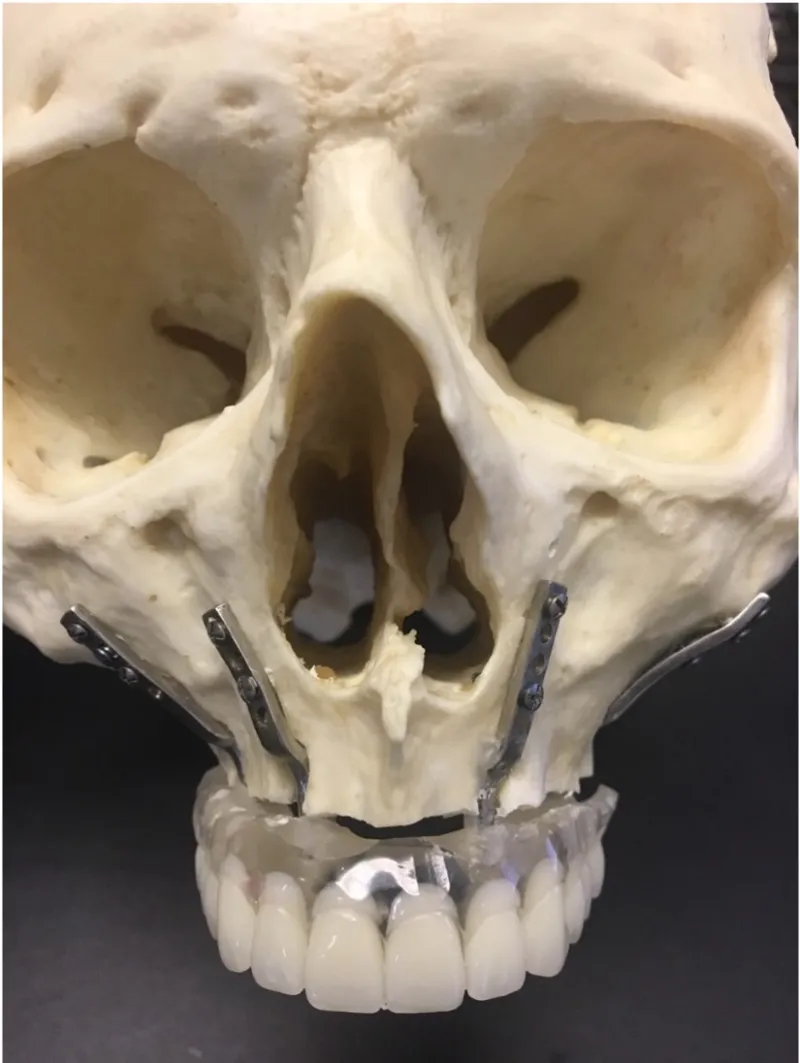
Photo: Robert G. Hale, CC BY-SA 4.0, via Wikimedia Commons
Implant surgery ends when the last suture is placed, but the patient's work begins immediately. The first three days after placement are when swelling, discomfort, medication timing, and diet decisions tend to converge. Many Japanese implant clinics treat that period as a structured care window rather than an afterthought. US practices vary widely, and many provide strong follow-up. Even so, patients often leave with a single instruction sheet and a general invitation to call if something feels wrong. A more explicit safety net is reasonable to request.
Why the First 72 Hours Matter
The early post-operative period is not just about comfort. It is when patients need to distinguish expected healing from early complications. Swelling often peaks around 48 to 72 hours. Pain should generally trend downward after the first day, though individual experiences differ. Bleeding should be limited and manageable. Medication schedules can become confusing when pain relievers, antibiotics, and anti-inflammatory drugs overlap.
Japanese clinics commonly reduce that uncertainty with written structure: a symptom log, a diet sheet, a medication timetable, and a scheduled check-in. The exact format varies by practice, and no single clinic represents all of Japanese dentistry. The principle is what matters. Patients should know what normal looks like, what to record, whom to call, and when a symptom crosses from expected to urgent.
Common Japanese Post-Op Supports
Many Japanese implant clinics build several layers into the first three days. These are not universal, but they are common enough to be useful as a comparison point.
- A scheduled check-in call, often within the first 24 hours and again near the 72-hour mark.
- A written symptom diary where patients record pain level, swelling, temperature, bleeding, sleep, and food intake.
- A phased diet sheet that separates day one from day two and day three, with clear guidance on when to advance consistency.
- A medication chart that shows what to take, when to take it, and what to do if a dose is missed.
- A named after-hours contact route, with instructions on when to use it.
- A short list of red-flag symptoms that require same-day attention.
- An early in-person review, or a clear plan for who will examine the site if the clinic is closed.
The written symptom log is especially notable. It gives the clinical team something concrete to review during a call. Instead of asking a patient to remember whether swelling was worse yesterday, the clinic can compare notes. It also gives the patient a sense of agency. Recording a 3 out of 10 pain score is less ambiguous than wondering whether the discomfort is normal.
How US Follow-Up Often Differs
US implant practices also provide post-operative instructions, prescriptions, and contact numbers. Some offices schedule a nurse call, a telehealth check, or a 24-hour follow-up. Others rely on the patient to call if concerned. The difference is often not quality but standardization. A busy practice may give excellent care while still leaving the patient to organize the first three days alone.
That gap matters for patients who travel, live alone, manage multiple medications, or have difficulty judging medical information online. It also matters for patients who received sedation and may not remember verbal instructions clearly. A written 72-hour plan is not a demand for special treatment. It is a request for clarity.
A Checklist to Request Before Surgery
Ask for these items before the appointment, not while still groggy after sedation. A patient coordinator or front-office team can usually confirm which supports are available.
- Who will call me after surgery, and on which days?
- What number should I use after hours, and will a clinician answer or return the call?
- Can I receive a written symptom log with expected ranges for pain, swelling, and bleeding?
- What should I eat on days one, two, and three, and when can I advance to firmer foods?
- Can I get a medication schedule that includes pain relievers, antibiotics if prescribed, and any anti-inflammatory drugs?
- When should swelling peak, and when should it begin to improve?
- How much bleeding is expected, and what should I do if bleeding continues?
- What is the ice-pack schedule, and is sleeping with my head elevated recommended?
- When can I brush, rinse, or use mouthwash, and are there products I should avoid?
- Which activities should I limit, and for how long?
- Which symptoms should trigger a same-day visit rather than a routine call?
- When is my first in-person check, and who covers weekends or holidays?
- Can the instructions be sent by patient portal or email so I can review them later?
- Are there any fees for after-hours calls or unscheduled follow-up visits?
Scripts That Keep the Request Simple
Patients do not need to compare health systems at the front desk. A few direct sentences are enough.
- 'I would like to leave with a written 72-hour plan, including who calls me and when.'
- 'Can we schedule the check-in calls now so I know what to expect?'
- 'I want to know which symptoms are normal and which mean I should call immediately.'
- 'Could you send the diet sheet and medication schedule to my patient portal?'
Framing the request around preparation rather than distrust tends to work well. Most clinical teams appreciate a patient who wants to follow instructions accurately.
Red Flags That Override Any Schedule
No post-op plan replaces clinical judgment. Patients should seek urgent care or contact the treating clinician promptly for uncontrolled bleeding, rapidly worsening swelling after the expected peak, fever, difficulty breathing or swallowing, spreading redness, severe pain that medication does not touch, or new numbness that does not resolve. These symptoms may not indicate implant failure, but they deserve prompt assessment.
The Takeaway
The first 72 hours are a care period, not a test of endurance. Japanese clinics often make that period visible through calls, logs, diet sheets, and named contacts. US patients can ask for a comparable safety net without expecting a clinic to copy another country's system. The goal is simple: know what to record, what to eat, what to take, whom to call, and when to stop guessing.
This article is educational and does not replace advice from your treating clinician.