Seven Lines From a Japanese Implant Chart That Belong in Your US Care Plan
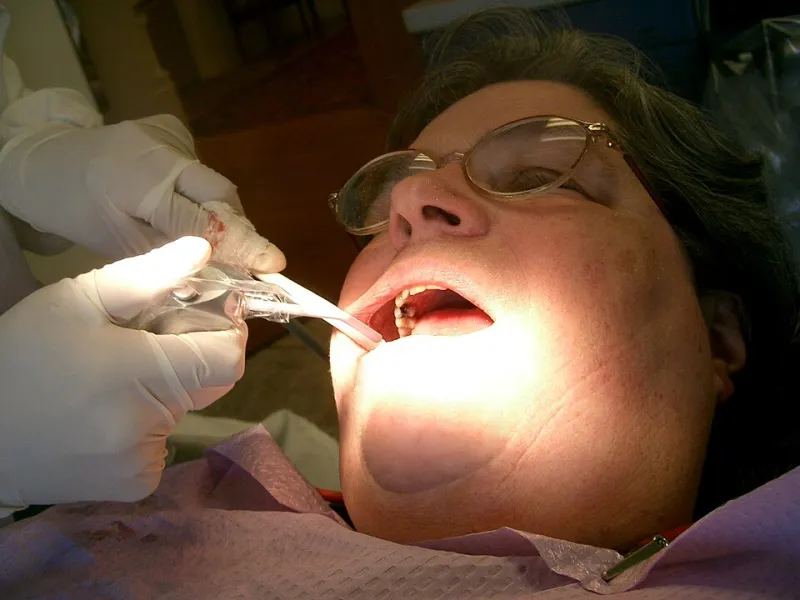
Photo: photo taken by flickr user baskyes, CC BY 2.0, via Wikimedia Commons
Japanese dental clinics are generous with paperwork. Patients often leave a consultation carrying a treatment plan, a cost estimate, a maintenance schedule, and a short document explaining what the clinic expects of them after surgery. To an American reader accustomed to a single sheet of billing codes, the volume can feel excessive.
It is not. Much of that language is worth importing. What follows are seven clauses commonly found in Japanese implant records, translated into a form you can act on at home.
1. The Recall Interval Is Fixed Before Surgery, Not Negotiated at the Front Desk
Japanese implant plans typically specify the maintenance calendar up front: a hygiene visit every three months for the first year, then every six, with radiographs at defined intervals. The point is that the schedule is a clinical decision made when the case is planned, not an appointment slot offered according to the receptionist's availability.
Ask for: a written recall interval with the reasoning behind it, and confirmation of who will perform the first-year visits.
2. The Warranty Is an Attendance Contract
Clinic guarantees in Japan are usually conditional. The restoration may be covered for a stated period, provided the patient attends the scheduled maintenance visits and does not miss them. Coverage may also be void if another clinician alters the implant without consultation.
This is a reasonable structure that many US practices leave vague. Ask for: the length of the warranty, precisely what it covers (the implant fixture, the abutment, the crown), what voids it, and whether it transfers if you move.
3. The Hygienist Owns the Maintenance Visit
In Japanese implant care, routine maintenance is generally hygienist-led, with the dentist reviewing findings rather than performing the cleaning. The documentation often names the instruments considered acceptable around exposed threads — typically plastic or carbon-tipped scalers rather than ultrasonic tips applied directly to the implant surface.
Ask for: confirmation that your hygienist has implant-specific training, and a note in your chart about which instruments should be used.
4. The Emergency Line Has a Name and a Time Limit
Japanese clinics frequently supply an after-hours contact along with an expectation — for example, that a patient reporting swelling or a loose crown will be seen within a defined number of hours. The contact is a person, not a general practice number.
Ask for: the name of the clinician or practice covering urgent implant problems, the response window they commit to, and written guidance on what constitutes an emergency versus a wait-until-Monday issue.
5. Records Travel With the Patient by Default
It is standard for Japanese clinics to hand over imaging, a treatment summary, and implant identification details so that another dentist can take over care without starting from scratch. The assumption is that patients move.
Ask for: DICOM files of your imaging, intraoral scans in STL, the implant brand and lot number, and a one-page summary of the procedure — at the end of treatment, not on request six years later.
6. Risk Factors Are Written Into the Plan, Not Mentioned Once
Smoking status, glycemic control, bruxism, and medication use tend to appear as documented conditions in Japanese treatment plans, sometimes with a stated adjustment to the healing timeline or an explicit counseling note. The effect is that the patient cannot later claim the conversation never happened — and neither can the clinic.
Ask for: your risk factors recorded in the plan, along with what change would prompt a revision of the schedule.
7. The Crown Is a Part With a Service Life
Restorations wear out. Japanese documentation is often refreshingly blunt about this, listing an expected service life for the crown and explaining that replacement is a matter of when, not whether. It reframes the crown as a component on a maintenance schedule rather than a permanent fixture.
Ask for: the anticipated lifespan of your restoration, the signs that replacement is approaching, and a cost estimate for that future replacement so it can be budgeted rather than absorbed as a surprise.
A Short List for Your Own Dentist
Before treatment begins, put these questions in writing and keep the answers:
- What is my recall interval, and why was that interval chosen?
- What does the warranty cover, and what cancels it?
- Who do I call after hours, and how quickly should I expect a reply?
- Which instruments should be used on my implant at cleanings?
- What records will I receive at the end of treatment?
- Which of my health factors change the plan, and how?
- How long should I expect the crown to last?
Building Your Own Owner's Manual
None of this requires a Japanese clinic. A single page — recall dates, warranty terms, contact names, implant brand and lot number, instrument notes, and expected restoration lifespan — is enough to make your care portable across dentists, cities, and decades. Patients who carry one tend to get better answers, because they arrive with better questions.
The document is not bureaucracy. It is the difference between care that depends on one clinician's memory and care that follows you wherever you go.